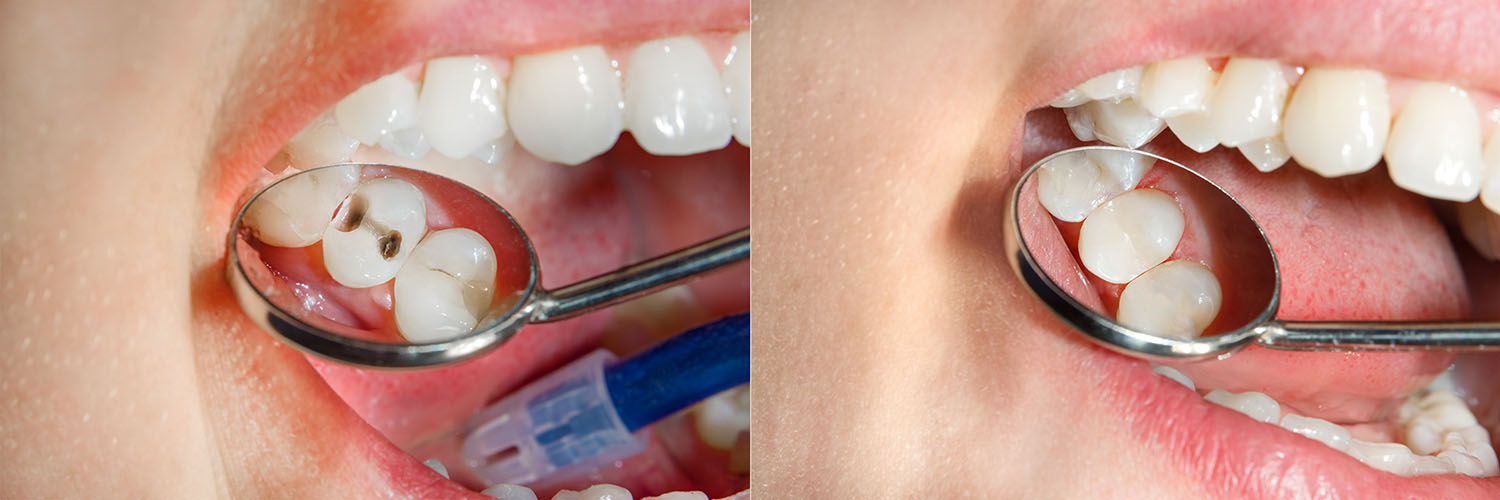
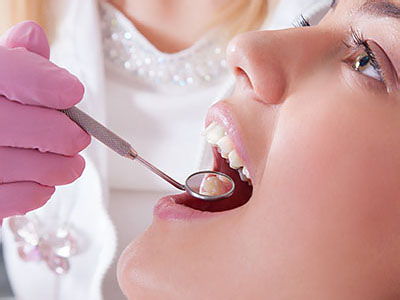
When decay weakens a tooth, a well-placed filling does more than just fill a hole — it restores strength, protects the remaining enamel, and helps the tooth perform normally for chewing and speaking. Modern fillings are designed to rebuild the tooth’s shape while minimizing removal of healthy structure, so your natural tooth is preserved whenever possible.
Cavities remain one of the most common dental problems across all age groups, and timely restorative care prevents minor problems from becoming larger — and more complex — treatments. Because fillings are a routine part of contemporary dentistry, clinicians place them with techniques that emphasize comfort, precision, and long-term function.
The office of Cruzin' Dental uses current materials and protocols that balance durability and appearance. Our aim is to restore teeth in a way that fits both the demands of daily function and the expectations of a natural-looking smile.
A Long View of Restorative Materials
Humans have sought solutions for damaged teeth for millennia, and the materials and methods have evolved steadily. Early attempts at filling teeth date back thousands of years, but the 19th and 20th centuries brought metal-based restorations such as gold and amalgam that offered reliable strength.
Over the last several decades, dentistry has shifted toward materials that better match natural tooth color and conserve structure. Advances in adhesive chemistry, ceramics, and resin technology have produced options that are both aesthetically pleasing and clinically effective.
How We Approach Restorative Care
Treatment decisions are based on a careful evaluation of the affected tooth, your overall oral health, and your aesthetic preferences. We’ll explain the options available and recommend the material and technique most appropriate for your situation, aiming for a restoration that lasts and looks natural.
Our clinical team focuses on gentle preparation, accurate bonding or cementation, and careful finishing so your new filling blends with surrounding tooth structure and functions comfortably.
Contemporary Options: Matching Material to Need
Today’s restorative palette gives dentists the flexibility to choose materials based on location, size of the cavity, and cosmetic goals. Some materials are placed directly in a single visit, while others are fabricated in a dental lab and bonded in afterward to offer superior wear resistance.
Selecting the right filling is a collaborative process: your clinician will balance strength, appearance, longevity, and how much tooth structure must be removed to accommodate the restoration. With modern adhesives and ceramics, many restorations can be both conservative and attractive.
Below are commonly used materials and the typical reasons a dentist might choose each one for a particular situation.
Common Filling Materials and Their Typical Uses
Composite Resins (Tooth‑Colored Fillings)
Composite resins are popular because they closely mimic the color and translucency of natural teeth. Composed of a resin matrix and glass particles, these materials bond to the tooth surface and can be shaped to restore the tooth’s original contours precisely.
Composites conserve more natural tooth structure than some traditional materials and are commonly used in visible areas of the mouth. They are strong for everyday use, though like all restorations they may require maintenance or replacement over time depending on wear and oral habits.
Amalgam (Silver) Restorations
Amalgam has a long history of reliable performance, particularly in back teeth where chewing forces are greatest. These restorations are highly durable and resistant to fracture, which made them the standard for many decades.
Although less commonly chosen today for aesthetic reasons, amalgam remains a functional option for certain clinical situations where strength and longevity are priorities.
Glass Ionomer Materials
Glass ionomer cements form a chemical bond with tooth structure and slowly release fluoride, which can help protect against future decay. Because they are gentler on teeth during placement and bond without extensive preparation, they are often used for pediatric teeth, restorations near the gumline, or as temporary restorations.
These materials are not as wear‑resistant as some other options, so practitioners select them with the tooth’s location and function in mind.
Porcelain and Ceramic Inlays/Onlays
When strength and appearance are both essential, ceramic inlays and onlays provide a durable, stain‑resistant, tooth‑colored option. Fabricated outside the mouth from high‑quality porcelain or ceramic, these indirect restorations are bonded to the tooth and can restore larger areas with excellent fit and longevity.
Because they are made from ceramic, they resist discoloration and can closely match adjacent teeth for a highly natural result.
Gold Restorations
Gold remains an excellent restorative metal due to its strength, durability, and compatibility with oral tissues. Though less common today for aesthetic reasons, gold inlays and onlays offer long service life and are particularly well-suited to complex occlusal (chewing surface) restorations.
When a Filling Is the Best Solution
Not every change in a tooth requires a filling; small surface stains or minor enamel wear may simply be monitored. A filling is recommended when decay has progressed through the enamel and into softer dentin, or when a fracture or old failing restoration needs repair.
Early intervention with a conservative filling often prevents the need for larger restorations such as crowns or root canals. During your exam, we evaluate the depth of decay, the tooth’s remaining structure, and any symptoms you might have to determine the least invasive, most predictable plan.
We also consider future maintenance: for teeth subject to heavy chewing forces or parafunctional habits like grinding, we may recommend materials or designs that improve durability while still meeting aesthetic expectations.
How We Treat Cavities — A Clear, Step‑by‑Step Process
The process begins with a thorough examination and diagnostic imaging as needed. When a cavity is identified, your dentist will review treatment options and explain the recommended approach so you understand what to expect and why a particular material or technique is chosen.
Most fillings are placed during a single appointment under local anesthesia, so the tooth and surrounding tissues are comfortably numb. The clinician removes decayed tissue using rotary instruments, laser, or air abrasion, then prepares the tooth to receive the chosen restoration.
Placement techniques vary by material: direct composites are layered and cured in the mouth, glass ionomers are placed and set chemically, and indirect ceramics are fabricated offsite before being bonded at a follow-up visit. Throughout the procedure, attention is paid to fit, occlusion (bite), and polishing to ensure comfort and function.
For patients who experience dental anxiety, the office of Cruzin' Dental can discuss comfort-enhancing options, including local anesthetic techniques and available sedation choices, to make the experience as relaxed as possible.
Aftercare: Helping Your New Filling Last
Once your filling is in place, simple habits and routine dental care help extend its life. Good daily oral hygiene, avoidance of extremely hard or sticky foods on newly restored teeth, and regular professional exams and cleanings are the foundation for long-term success.
Immediately after treatment, you may notice temporary effects such as residual numbness or mild sensitivity. These are normal and usually resolve within hours to days as the tooth adjusts.
Protect lips and tongue while numb Local anesthesia can leave soft tissues temporarily numb. Avoid chewing or touching the area until feeling returns to prevent accidental injury.
Accept minor changes in bite or feel It is common for a restored tooth to feel slightly different immediately after placement. If the bite feels uneven or there is persistent discomfort, contact the dental team for a brief adjustment.
Expect short-term temperature sensitivity Mild sensitivity to hot or cold may occur shortly after treatment. This typically subsides over days or weeks. If sensitivity increases or does not improve, reach out to the practice for evaluation.
Maintain routine care for longevity Modern filling materials are durable, but their lifespan depends on oral hygiene, diet, and habits. Regular dental visits allow your provider to monitor restorations and address any issues early.
We are committed to clear communication and careful technique so you leave your appointment confident in the fit and function of your new restoration. If you have questions after your visit, your dental team is available to address concerns.
In summary, modern dental fillings restore function, protect tooth structure, and can be tailored to meet cosmetic goals. If you’d like to learn more about filling options or discuss the best approach for a specific tooth, please contact us for more information.
Dental fillings are restorative materials placed in a tooth to replace decayed or damaged tissue and to restore the tooth's shape and function. They help protect the remaining enamel and dentin from further breakdown and allow the tooth to withstand normal chewing and speaking. By sealing the area where decay was removed, fillings also reduce the risk of bacteria reentering the tooth.
Fillings are a conservative treatment designed to halt the progression of cavities and repair small fractures or failing restorations. When performed early, they often prevent the need for larger interventions such as crowns or root canal therapy. Your dentist will explain why a filling is recommended and how it will preserve the long-term health of the tooth.
What types of materials are available for fillings and how do they differ?
+
Several common materials are used for dental fillings, each with different strengths and aesthetic qualities. Composite resins are tooth-colored and bond to the tooth surface, offering a natural appearance and conservative preparation. Amalgam has a long track record for durability in back teeth, while glass ionomer materials bond chemically to tooth structure and release fluoride to help protect against decay.
For larger restorations, indirect options such as porcelain or ceramic inlays and onlays are fabricated in a dental lab and bonded to the tooth for superior wear resistance and color stability. Gold restorations remain a durable metal option for specific situations, though their use is less common where cosmetic considerations are primary. Your clinician will describe the tradeoffs in strength, longevity, and appearance for each material.
How does my dentist decide which filling material and technique to use?
+
Treatment decisions are based on a clinical evaluation of the tooth, including the size and location of the defect, the extent of remaining tooth structure, and your aesthetic goals. The dentist will also consider functional demands such as chewing forces and any parafunctional habits like grinding that could affect the restoration. Diagnostic imaging and an intraoral exam help determine whether a direct filling or an indirect restoration is the most predictable choice.
Patient preferences and overall oral health are also part of the discussion, since some materials require more tooth preparation or have different maintenance expectations. The recommended plan aims to balance conservation of natural tooth structure with long-term durability and appearance. Your provider will explain why a particular material and technique best fit your situation.
What happens during a typical filling appointment?
+
A filling appointment usually begins with a thorough exam and any necessary X-rays to assess the extent of decay or damage. Local anesthesia is administered to ensure comfort, after which the clinician removes decayed tissue and prepares the cavity using rotary instruments, laser, or air abrasion depending on the case. The tooth is then cleaned and conditioned to receive the chosen restorative material.
For direct fillings such as composites, the material is placed in layers and cured with a light to build the tooth back to its natural contours, followed by shaping and polishing to refine the bite. Indirect restorations like ceramic inlays require an impression or digital scan and a follow-up appointment for final bonding after the laboratory restoration is fabricated. Throughout the procedure, the team pays close attention to fit, occlusion, and patient comfort.
Will getting a filling be painful and what anesthesia or sedation options are available?
+
Most patients experience little or no pain during a filling because local anesthesia numbs the tooth and surrounding tissues before treatment begins. You may feel pressure or vibration from dental instruments, but the anesthetic typically prevents sharp pain during the procedure. After the appointment, mild soreness or sensitivity is common as the tooth and tissues recover.
For patients with dental anxiety or complex needs, the office of Cruzin' Dental offers comfort-focused approaches that can include advanced local anesthetic techniques and available sedation options. Your dentist can discuss minimal sedation methods or other strategies to help you remain relaxed so the appointment is as comfortable as possible. Aftercare instructions and follow-up contact are provided to address any postoperative concerns promptly.
How long do fillings usually last and what influences their lifespan?
+
The lifespan of a filling depends on the material, the size and location of the restoration, and individual habits such as oral hygiene and diet. Composite fillings in visible areas may last several years with proper care, while highly durable materials like well-made ceramic inlays or gold restorations can last significantly longer. Bite stresses, bruxism, and repeated decay at the margins can shorten a restoration's service life.
Regular dental checkups allow your provider to monitor the condition of fillings and detect early signs of wear, leakage, or secondary decay. Maintaining good oral hygiene, avoiding excessively hard habits, and using protective appliances when recommended will all help extend the functional life of your restorations. Timely adjustments or repairs are preferable to letting a compromised filling lead to more extensive treatment.
What aftercare should I follow once a filling is placed and when should I call the dentist?
+
After a filling, follow basic oral hygiene practices: brush twice daily with fluoride toothpaste, floss daily, and avoid biting directly on very hard foods with the restored tooth for a short period. Expect transient numbness from local anesthesia and temporary sensitivity to hot or cold, which usually resolves within days to weeks. If you notice persistent or worsening sensitivity, a sharp pain when biting, or an uneven bite that does not improve after an adjustment, contact your dental team.
It is also wise to schedule regular professional exams and cleanings so restorations can be inspected and maintained over time. Minor concerns such as rough edges or bite discrepancies can often be corrected quickly during a brief return visit. If a filling chips, falls out, or you experience swelling or severe pain, seek evaluation promptly to prevent further complications.
When might a crown or root canal be a better option than a filling?
+
A filling is appropriate for cavities and minor fractures when sufficient healthy tooth structure remains to support a restoration. If decay has progressed deeply into the tooth, compromising structural integrity or reaching the dental pulp, a root canal may be necessary to treat infection and preserve the tooth. Teeth with large areas of damage or ones that have undergone root canal therapy often benefit from a crown to protect the remaining tooth and restore function.
Your dentist will assess the depth of decay, the extent of tooth loss, and the tooth's long-term prognosis to recommend the least invasive yet most durable solution. In some cases, an inlay or onlay provides an intermediate option that conserves more structure than a full crown while offering greater strength than a direct filling. The treatment plan will prioritize tooth preservation and predictable outcomes.
Are dental fillings suitable for children and are there special considerations for pediatric restorations?
+
Fillings are commonly used in pediatric dentistry to treat cavities and small fractures, with material choices tailored to the child's needs and the tooth's function. Glass ionomer materials are frequently selected for primary (baby) teeth or areas near the gumline because they bond well, are gentle on the tooth during placement, and release fluoride to support remineralization. Tooth-colored composite resins are also used for visible areas to provide a natural appearance while maintaining strength for eating.
Behavior management, minimally invasive techniques, and preventive measures such as sealants and topical fluoride are important components of pediatric restorative care. The dentist will consider the child's age, cooperation level, and how long the primary tooth will remain in place when recommending the appropriate material and technique. Regular checkups help ensure restorations in children are monitored and replaced when necessary as permanent teeth erupt.
How can I arrange a consultation to discuss filling options for my teeth?
+
To discuss filling options and determine the most appropriate restorative approach for your situation, schedule a consultation with your dental provider to allow for a full oral exam and any necessary X-rays. During the visit, the dentist will review the condition of the affected tooth, explain material choices and procedures, and outline what to expect during treatment and recovery. This conversation ensures you have clear information to make an informed decision about your care.
If you would like to explore restorative options in person, Cruzin' Dental in Port Charlotte welcomes patients for consultations and routine care. The clinical team can answer questions about materials, comfort measures, and aftercare so you leave with a clear plan tailored to your oral health needs. Contact the office to arrange a convenient appointment time and to discuss any concerns before your visit.
Where Personalized Care Meets Comfort And Expertise.
We invite you to discover more about our dental office and the comprehensive care we provide to patients of all ages. Our friendly team is happy to answer your questions, provide information, and assist you in scheduling an appointment at your convenience. Don’t wait—give us a call today and let us help you experience the excellent dental care you deserve!