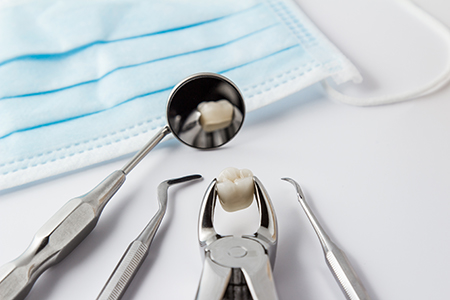
Understanding Tooth Removal: A Clear, Patient-Focused Overview
At Cruzin' Dental, our goal is to make necessary dental treatments understandable and comfortable. When a tooth must be removed, we approach the process with careful planning, clear communication, and an emphasis on minimizing discomfort. Every patient receives individualized attention so that the treatment fits their medical history, oral condition, and personal preferences.
Tooth extraction is often framed as a last resort, and for good reason — preserving natural teeth is usually best. Still, there are many situations where removing a tooth protects overall oral health, prevents further complications, and sets the stage for successful long-term care. We focus on evaluating alternatives first and recommending extraction only when it’s the most appropriate option.
Throughout this page you’ll find straightforward explanations of when extractions are recommended, how we perform them, and what you can expect during recovery. Our aim is to respect your intelligence: we’ll be direct about the facts while avoiding unnecessary jargon, so you can feel confident making informed decisions with your dental team.
When Removal Becomes the Healthiest Choice
Common Situations That Lead to an Extraction
Primary teeth that don’t fall out or are badly damaged Sometimes a baby tooth fails to loosen and fall away as the permanent tooth tries to emerge. When a primary tooth remains in place and interferes with the normal eruption or alignment of permanent teeth, removing it can help the permanent tooth come in properly and avoid future orthodontic complications.
Permanent teeth with extensive, irreparable decay Decay that advances into the inner structure of a tooth can destroy the support needed for a successful restoration. If the remaining tooth structure cannot reliably support a filling or crown, extraction prevents ongoing infection and helps protect neighboring teeth and gum tissues.
Teeth with severe fractures or root damage A crack or break that extends below the gum line or involves the root can leave too little sound structure to restore. When repair won’t provide a predictable, long-term result, removal is often the most responsible clinical option.
Advanced periodontal disease compromising tooth support Periodontal disease can erode the bone and soft tissue that hold teeth in place. When the support becomes insufficient and a tooth is mobile or a source of recurring infection, extraction may be necessary to preserve oral health and allow gums and bone to recover.
Impacted or problematic wisdom teeth Third molars (wisdom teeth) often lack space to erupt cleanly. Impacted, partially erupted, or heavily decayed wisdom teeth can cause pain, infection, or damage to neighboring teeth, and their removal is commonly recommended to prevent future problems.
Teeth extracted to create space for orthodontic goals When the jaws are too small to accommodate all permanent teeth, targeted extractions are sometimes part of an orthodontic plan to achieve a balanced, functional bite. In those cases, extraction is coordinated with the orthodontic team for optimal long-term alignment.
How We Prepare and Plan Every Extraction
Before any extraction, we complete a careful assessment of your overall health, oral condition, and treatment goals. This includes a review of your medical history, medications, and any factors that could affect healing. Open communication is critical — tell us about allergies, blood thinners, recent illnesses, or any medical devices so we can take appropriate precautions.
We use diagnostic imaging, including digital radiographs when indicated, to evaluate root shape, bone levels, and relationships to adjacent structures. Those images help us determine whether a tooth can be removed easily or if a surgical approach will be required. If special medical clearance or adjustments to medication are needed, we’ll guide you through that process beforehand.
To promote comfort, we discuss anesthesia and sedation options in advance. For straightforward cases a local anesthetic is often sufficient, while patients with dental anxiety or more complex procedures may benefit from additional sedation. Every step is explained so you know what to expect and can make an informed decision about the level of support you prefer.
Simple Extractions: Straightforward and Efficient
Simple extractions are performed when the tooth is fully visible in the mouth and the root anatomy is favorable. After numbing the area thoroughly with a local anesthetic, the dentist gently mobilizes the tooth and removes it using specialized instruments. The process is designed to be quick while protecting surrounding tissues.
We prioritize techniques that reduce trauma and promote faster healing. You’ll receive step-by-step guidance on what to do immediately after the procedure, and we’ll provide clear instructions for home care so recovery proceeds smoothly.
Surgical Extractions: Precise Care for Complex Cases
Surgical extractions are performed when a tooth is broken off at the gum line, ankylosed (fused to bone), impacted, or when root anatomy makes removal more complex. These procedures may require a small incision, removal of a bit of bone, or sectioning the tooth into pieces for safe extraction. In some cases we refer patients to an oral surgeon for advanced surgical needs.
Even with surgical techniques, local anesthesia is used and sedation options remain available when appropriate. We explain the procedure, discuss potential risks, and outline recovery expectations so you’re fully informed before consenting to treatment.
Practical Steps for a Smooth Recovery
Recovery after an extraction is a short, well-defined process for most people. We provide personalized post-operative instructions tailored to your procedure and medical history. Generally, the first 24–72 hours are the most important: protecting the clot, reducing swelling, and managing discomfort help set the stage for uncomplicated healing.
Expect some swelling and mild discomfort; these are normal responses to tissue healing. Pain can usually be managed with over-the-counter medications or prescription analgesics when necessary. Follow dosing instructions carefully and avoid activities that increase blood pressure in the head — such as heavy lifting or vigorous exercise — for the first few days.
We schedule follow-up as needed to remove sutures, evaluate healing, or plan for any necessary restorative work. If your extraction is part of a larger treatment plan — for example, to prepare for a bridge, denture, or implant — we’ll coordinate timing to support the best functional and aesthetic outcome.
Aftercare Essentials: What We Ask You to Do
Keep gentle pressure on the site A gauze pad will be placed over the socket after the extraction. Bite down gently to maintain pressure and encourage formation of a stable blood clot. Replace the gauze as directed and contact our office if heavy bleeding persists beyond the first day.
Protect numb tissues Local anesthetic can leave lips, cheeks, and tongue numb for a few hours. Take care not to chew or bite these areas until feeling fully returns to avoid accidental injury.
Follow medication guidance If antibiotics are prescribed, complete the course exactly as directed. Take pain medication as recommended to stay ahead of discomfort; for many patients, taking a non-aspirin analgesic before the anesthesia wears off helps reduce peak pain.
Preserve the clot Avoid rinsing vigorously, using straws, or smoking for the first several days, as these actions can dislodge the clot and delay healing. Gentle saltwater rinses may be recommended after 24–48 hours to keep the area clean.
Control swelling Use an ice pack on the face in short intervals during the first 24 hours to reduce swelling. Switching to warm compresses after the initial 48 hours can help with comfort and circulation.
Avoid tobacco products Smoking or vaping interferes with clot stability and tissue healing. Refrain from tobacco use for at least one week after the extraction to reduce the risk of complications.
Choose gentle foods and fluids Stick with cool, soft foods for the first day or two and avoid very hot or spicy items. Hydrate well, but don’t use a straw. Gradually reintroduce firmer foods as comfort allows.
Maintain oral hygiene with care Brush the rest of your mouth as usual, taking care to avoid disturbing the extraction site. When appropriate, a mild saltwater rinse can help keep the area clean without disrupting healing.
Keep follow-up appointments If stitches were placed or additional monitoring is required, attend scheduled follow-ups so we can verify healing and plan any next steps.
If you notice unexpected bleeding, increasing pain, fever, or other concerning symptoms, contact our office promptly so we can advise you and arrange care if needed.
Choosing a Practice That Puts Safety and Comfort First
When you need an extraction, it matters who performs it. We emphasize meticulous technique, evidence-based infection control, and a calm patient experience. That commitment includes careful case selection, clear informed consent, and follow-through with recovery support so patients feel confident before they come in and well cared for after they leave.
Should a missing tooth need replacement, we discuss options such as dentures, fixed bridges, and dental implants, explaining the clinical considerations for each choice and how they fit your goals for function and appearance. Our focus is on restoring health and confidence while preserving adjacent teeth and supporting structures whenever possible.
Because clear communication and attentive aftercare reduce complications and improve outcomes, you’ll find our team available to answer questions, provide instructions, and coordinate any referrals if a surgical specialist is required. We aim to make the process as straightforward as possible while prioritizing your safety and long-term oral health.
To learn more about tooth extractions, recovery steps, or how an extraction might fit into your overall treatment plan, please contact us for more information.
A tooth extraction is the removal of a tooth from its socket in the jaw. It is performed when preserving the tooth is no longer a safe or predictable option for oral health. At Cruzin' Dental we approach extractions as part of a broader plan to protect surrounding teeth and restore function.
Extractions can be diagnostic, emergency, or planned steps within comprehensive care such as orthodontics or restorative treatment. The procedure may be simple or surgical depending on how the tooth sits and the condition of the roots and surrounding bone. Your dentist will explain why extraction is recommended and review alternatives before proceeding.
When is an extraction the best treatment option?
+
An extraction is often recommended for teeth with extensive, irreparable decay, severe fractures that extend below the gum line, or advanced periodontal disease that has compromised bone support. Impacted or problematic wisdom teeth that cause pain, infection, or damage to adjacent teeth are also common reasons to remove a tooth. In children, extraction of retained primary teeth can facilitate proper eruption of permanent teeth.
An extraction may also be part of an orthodontic strategy when removing a tooth will improve alignment or bite function. Teeth that are a persistent source of infection despite other treatments may be best removed to protect overall oral health. Your dentist will evaluate your individual situation to determine whether extraction is the most responsible clinical choice.
How do you determine whether an extraction will be simple or surgical?
+
The distinction between a simple and a surgical extraction depends on how much of the tooth is visible and the complexity of the root anatomy. Simple extractions involve teeth that are fully erupted and accessible with conventional instruments, while surgical extractions are needed for broken, impacted, or ankylosed teeth and may require small incisions or removal of a bit of bone. Diagnostic imaging helps the dental team predict which approach will be necessary.
When imaging suggests roots are curved, close to anatomical structures, or the tooth is fused to bone, the dentist may plan a surgical approach or refer you to an oral surgeon. Surgical procedures are performed with techniques designed to minimize trauma and protect adjacent tissues, and they may require sutures or a longer recovery period. Your provider will discuss the anticipated technique and recovery expectations before treatment.
What anesthesia and sedation options are available for extractions?
+
Local anesthesia is the foundation of pain control for most extractions and provides reliable numbness of the treatment area while you remain awake. For patients with dental anxiety or for more complex surgical cases, additional options such as nitrous oxide or oral sedatives can be offered to increase comfort and reduce procedural stress. Intravenous sedation or general anesthesia may be arranged when medically indicated or when extensive surgery is planned.
Before selecting a sedation method, the dental team reviews your medical history, current medications, and any allergies to ensure safety and appropriate monitoring. You will receive specific preoperative instructions regarding fasting, transportation, and medication adjustments if sedation beyond local anesthesia is planned. The goal is to tailor anesthesia to your needs while maintaining the highest standards of safety.
How should I prepare for a scheduled tooth extraction?
+
To prepare for a scheduled extraction, provide a complete medical history and list of current medications so the dental team can assess bleeding risk and interactions. If you take blood thinners or have systemic conditions that affect healing, the dentist may coordinate with your physician to determine safe perioperative management. Follow any preoperative instructions regarding food, drink, or medication adjustments if sedation or a general anesthetic will be used.
Arrange for a responsible adult to drive you home if you will receive sedation that impairs alertness, and plan for a quiet recovery period on the day of the procedure. Bring a list of questions to your appointment so you understand the steps, expected recovery, and scheduled follow-up. Clear communication before the appointment helps reduce surprises and supports a safer, more comfortable experience.
What should I expect during the extraction procedure?
+
During the extraction, topical and local anesthetics are used to ensure you do not feel pain in the treatment area, though you may sense pressure or movement. For simple extractions the dentist gently mobilizes the tooth with instruments and removes it with minimal trauma, while surgical cases may involve small incisions, bone removal, or sectioning of the tooth for safe extraction. Throughout the procedure the team monitors your comfort and adjusts anesthesia or sedation as needed.
After the tooth is removed, the socket is inspected, cleaned, and sometimes sutured to support healing and reduce bleeding. Gauze is placed to help a stable blood clot form, and you will receive immediate verbal and written aftercare instructions. The dentist will explain signs to watch for and schedule any necessary follow-up or restorative planning.
What are the most common risks and how are complications managed?
+
Like any dental procedure, extractions carry risks such as infection, prolonged bleeding, nerve irritation, or delayed healing, but these outcomes are uncommon when proper protocols are followed. The dental team minimizes risk through careful case selection, sterile technique, preoperative assessment, and appropriate use of medications when clinically indicated. If an issue arises, the office follows established protocols to address complications promptly and coordinate referrals to specialists when necessary.
Nerve-related changes such as numbness or altered sensation are rare and typically temporary, but clinicians evaluate the proximity of roots to nerves before surgery to reduce this possibility. Persistent or worsening symptoms, uncontrolled bleeding, or signs of infection should be reported to the office without delay so prompt treatment can be initiated. Close follow-up and clear instructions help resolve most complications effectively.
What does recovery look like after an extraction and how can I promote healing?
+
Most patients experience mild to moderate discomfort and some swelling for the first few days after an extraction, with steady improvement thereafter. Managing pain with prescribed or over-the-counter analgesics, using cold packs during the initial 24 hours, and resting with the head elevated all support comfort and recovery. Avoiding smoking, vigorous rinsing, and straws helps preserve the blood clot that is essential for normal healing.
Maintain oral hygiene with care by brushing the rest of your mouth normally and using gentle saltwater rinses after 24–48 hours if advised to keep the area clean. Attend scheduled follow-up visits so the dentist can monitor healing, remove sutures if necessary, and plan for any restorative work. If you experience severe pain, fever, or drainage, contact the office promptly for evaluation.
How can I reduce the risk of developing a dry socket?
+
Dry socket, or alveolar osteitis, happens when the blood clot is lost or dissolves prematurely, exposing bone and nerves and causing notable pain typically two to five days after extraction. To reduce the risk, follow postoperative instructions carefully: avoid smoking, spitting, vigorous rinsing, and using straws during the first week after the procedure. Gentle oral care and adherence to medication guidance help support clot stability.
If symptoms of dry socket develop—intense throbbing pain radiating to the ear, bad taste, or visible bone in the socket—contact the dental office promptly for evaluation. Treatment often includes placement of a medicated dressing, targeted pain control, and follow-up care to promote secondary healing. Early attention usually brings rapid symptom relief and a straightforward recovery.
What tooth replacement options will be discussed after an extraction?
+
When a tooth is missing or planned for removal, the dental team will discuss replacement options that restore function, appearance, and long-term oral health. Common solutions include dental implants that replace the tooth root and support a crown, fixed bridges that span a gap using adjacent teeth for support, and partial or full removable dentures when multiple teeth are missing. Each option has clinical indications based on bone quantity, neighboring teeth, and overall treatment goals.
Our team at Cruzin' Dental will review the sequence and timing for replacement, including whether to place an immediate temporary restoration or allow the site to heal before definitive treatment. Imaging and careful planning help determine the most appropriate solution, and the dentist will explain the steps involved in preparation and restoration. Together you and your dental team can choose an approach that balances durability, function, and aesthetics.
Where Personalized Care Meets Comfort And Expertise.
We invite you to discover more about our dental office and the comprehensive care we provide to patients of all ages. Our friendly team is happy to answer your questions, provide information, and assist you in scheduling an appointment at your convenience. Don’t wait—give us a call today and let us help you experience the excellent dental care you deserve!