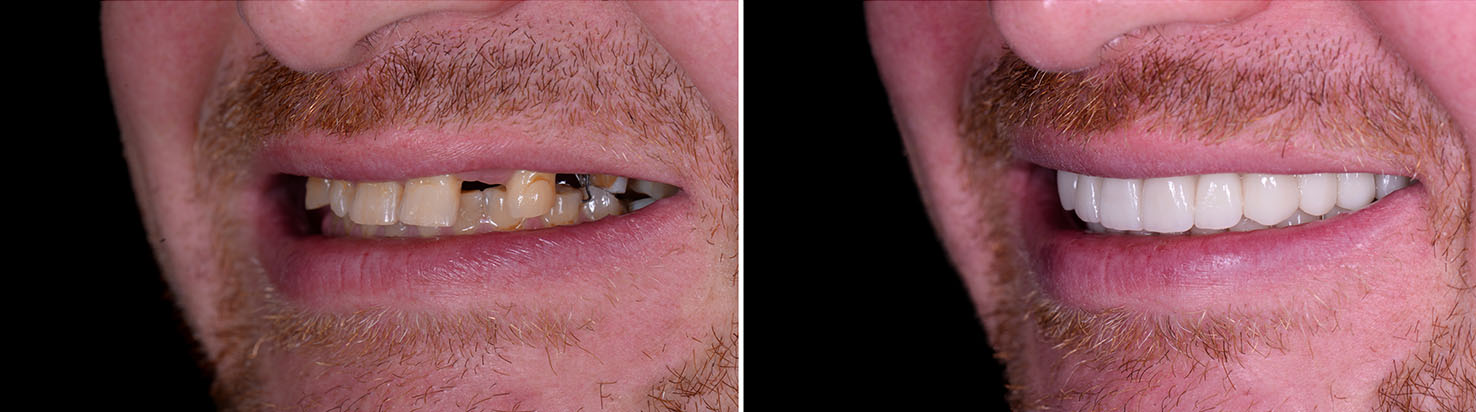
Restoring Confidence and Function with Modern Dental Implants
Missing teeth affect far more than appearance — they change how you eat, speak, and feel about yourself. Advances in implant dentistry now make it possible to replace lost teeth with solutions that closely mimic natural teeth in form, function, and comfort. Whether a single tooth is gone or an entire arch needs rebuilding, dental implants provide a reliable foundation for durable, lifelike restorations.
Our approach focuses on personalized care: we evaluate your oral health, discuss your goals, and design a plan that fits your needs. The goal is to restore chewing ability and speech while preserving the structure of your jaw and facial contours. Many patients find that implants dramatically improve day-to-day comfort compared with removable options.
Cruzin' Dental blends proven techniques with modern technology to ensure implant treatment is efficient and predictable. From precise imaging to careful surgical placement and high-quality prosthetics, each step is planned to produce long-lasting, natural-looking results.
How implants recreate a natural bite
Dental implants replace the missing tooth root with a biocompatible post, which bonds with the jawbone over time. This anchoring reproduces the stability normally provided by a tooth root, allowing restorations — crowns, bridges, or dentures — to perform like natural teeth. Because the implant integrates with bone, it restores chewing forces in a way that removable appliances cannot.
The result is not only improved chewing efficiency but also preservation of the underlying bone. When teeth are absent, the jawbone can begin to resorb; implants provide the stimulation needed to slow that process and help maintain facial structure.
Implant restorations are also designed to blend aesthetically with surrounding teeth. Materials and shading are selected so the replacement blends seamlessly with your smile while supporting healthy oral function.
Benefits That Shape Treatment Choices
Practical advantages of choosing implants
Dental implants are celebrated for their stability and longevity. When placed and cared for properly, implants resist movement during speech and eating, providing predictable function that feels natural. For people who want a fixed, non-removable option, implant-supported restorations deliver significant lifestyle improvements over traditional dentures.
Another notable advantage is conservation of neighboring teeth. In many cases, implants allow clinicians to restore missing teeth without altering healthy adjacent teeth, which would otherwise be reduced in size to support a conventional bridge. This preservation of tooth structure supports better long-term oral health.
Finally, implants do not develop cavities like natural teeth, and they integrate into routine dental maintenance. Regular hygiene visits and at-home care keep the surrounding tissues healthy and extend the life of the restoration.
Options for Rebuilding Any Kind of Smile
Single tooth to full-arch solutions
A single-tooth implant with a crown replaces an isolated missing tooth without affecting adjacent teeth. This option restores both appearance and function while avoiding the need to grind down neighboring teeth for a bridge. The finished crown is custom-shaped to match surrounding dentition so it blends in naturally.
When several teeth in a row are missing, implant-supported bridges use strategically placed posts to bear the load for multiple replacement teeth. These bridges provide the strength and comfort of a fixed restoration while preserving the health of surrounding natural teeth and bone.
For people missing all their teeth, implant-supported full-arch restorations offer a fixed, secure alternative to traditional dentures. Depending on the case, four to six implants can support a permanent bridge, delivering improved chewing efficiency and confidence without adhesives or nightly removal.
Single-tooth replacement
A single implant restored with a crown recreates the look, feel, and function of a natural tooth without altering neighboring teeth.
Implant-supported bridges
For multiple adjacent missing teeth, an implant-supported bridge provides a fixed restoration that preserves bone and nearby teeth.
Full-arch fixed restoration
A complete arch can be rebuilt on a small number of implants to provide a non-removable, stable smile replacement.
Implant-retained overdentures
For patients who prefer a removable option, implant-retained dentures attach to implants for greatly improved retention and comfort compared with conventional dentures.
What to Expect During Planning and Surgery
An individualized road map for safe placement
Treatment begins with a careful evaluation: dental imaging, medical and dental history, and a discussion about your goals and any concerns. This information guides decisions about the number, size, and position of implants, and whether preparatory procedures such as extractions or bone grafting are needed.
Many practices now use three-dimensional imaging to plan implant placement with a high degree of precision. Guided planning helps position implants in the most favorable areas of bone and can reduce surgical time while improving predictability.
Surgery to place implants is typically performed on an outpatient basis and is considered a controlled, routine procedure. Local anesthesia is used, and additional sedation options are discussed when appropriate so you remain comfortable. After placement, implants require a period of healing for osseointegration — the process by which the implant becomes firmly anchored within the bone.
When bone grafting becomes part of the plan
Some patients need bone grafting to create a stable foundation for implants. Bone loss can occur after tooth loss, infection, or long-term denture use. Grafting rebuilds the missing bone so implants can be placed in an area with adequate support. Grafts can be performed before implant placement or, in many cases, at the time of implant surgery.
Grafting materials and techniques have advanced significantly, and many grafts integrate predictably with native bone. Your treatment team will explain the recommended approach and the anticipated healing timeline in clear terms.
Maintenance: Protecting Your New Teeth for the Future
Simple habits that support implant health
Once implants are placed and the final restorations are in place, long-term success depends on good oral hygiene and routine professional care. Daily brushing and flossing around implant restorations, along with periodic cleanings and exams, help prevent inflammation of the surrounding tissues and identify issues early.
Regular checkups also allow your dental team to monitor bite, check for wear, and assess the condition of the prosthetic components. In many cases, simple adjustments or component replacements can prevent more significant problems down the road.
Pay attention to changes such as persistent discomfort, swelling, or mobility of the restoration, and report them promptly. Early evaluation ensures timely intervention and helps preserve both the implant and the surrounding bone.
Choosing the right partner for lasting results
Successful implant therapy combines careful planning, skilled surgical technique, and ongoing follow-up care. Your dental team should be willing to explain each phase of treatment, show expected timeframes for healing, and outline the routine maintenance that helps implants last for many years.
If you are considering implant dentistry, our team can evaluate your smile, review available options, and develop a personalized plan that addresses your oral health and aesthetic goals. Cruzin' Dental is committed to clear communication and evidence-based care so you can move forward with confidence.
Ready to learn more?
Dental implants are a versatile, long-term solution for rebuilding a healthy, functional smile. If you have questions about whether implants are right for you or would like to discuss a tailored treatment plan, please contact us for more information. We’re happy to explain the process and help you take the next step toward restoring your smile.
Dental implants are small biocompatible posts placed into the jawbone to replace missing tooth roots. Over time the implant bonds with bone through a process called osseointegration, creating a stable foundation for a prosthetic tooth. The final restoration—such as a crown, bridge or denture—attaches to the implant to restore chewing function and appearance.
Because implants anchor into bone, they recreate the stability of natural teeth and transmit chewing forces that help preserve jawbone volume. Modern implant systems use durable materials and custom-made prosthetics so the replacement blends with surrounding teeth and supports long-term oral function.
Who is a good candidate for dental implants?
+
Good candidates typically have one or more missing teeth, healthy gum tissue and adequate bone to support an implant, or they are willing to undergo preparatory treatments like bone grafting. A comprehensive assessment of medical and dental history helps identify factors that influence candidacy, including chronic conditions, medications and lifestyle habits. Age alone is not a disqualifier; treatment is driven by oral health and overall medical stability.
Clinicians also consider habits such as tobacco use and bruxism because these can affect healing and long-term success. When issues are identified, many patients can proceed after careful planning, targeted therapy or coordination with medical providers to reduce risks and optimize outcomes.
What is the typical implant treatment process and timeline?
+
Treatment begins with a consultation that includes a clinical exam and three-dimensional imaging to map bone anatomy and plan implant placement precisely. The process may include tooth extraction, bone grafting or sinus augmentation if additional support is required, followed by surgical placement of one or more implants. Immediate-loading protocols are possible in select cases, but many patients proceed with a healing period to allow osseointegration before final restorations are attached.
Healing times vary by case and procedure, but most patients expect a multi-month course from planning to final restoration, commonly ranging from a few months to under a year when grafting is needed. At Cruzin' Dental in Port Charlotte, clinicians use digital imaging and coordinated scheduling to streamline care while maintaining predictable timelines and clear communication throughout each phase.
How should I prepare for implant surgery?
+
Preparation starts with a thorough review of your medical history, current medications and any health conditions that could affect healing. Your dental team may request a list of medications, coordinate with your physician if you have systemic conditions, and provide specific instructions about eating, drinking or taking medicines before surgery. Quitting tobacco and managing blood sugar for patients with diabetes can improve healing and reduce complication risk.
On the day of surgery, arrive well rested and wear comfortable clothing; if you plan to use sedation, arrange for a responsible adult to drive you home and remain available during initial recovery. Your team will review post-operative care, prescriptions and emergency instructions so you know what to expect during the first 24 to 72 hours after implant placement.
Are dental implants safe and what are the potential risks?
+
Dental implants are widely used and have a strong safety record when treatment is planned and performed by trained clinicians. As with any surgical procedure, there are potential risks including infection, insufficient bone integration, nerve irritation, sinus complications in the upper jaw and, rarely, implant failure. Thorough diagnostic imaging, sterile technique and adherence to clinical guidelines help minimize these risks.
Postoperative monitoring and prompt attention to symptoms such as persistent pain, swelling or mobility of the restoration are important for early intervention. Many complications are manageable when detected early, which is why regular follow-up and clear communication with your dental team are essential parts of safe, long-term implant care.
How long do dental implants last and what maintenance do they require?
+
With proper planning, placement and routine care, dental implants can last for many years and often for a lifetime, though their longevity depends on oral hygiene and regular professional monitoring. Implants themselves are resistant to decay, but the surrounding tissues can develop inflammation or infection—known as peri-implant disease—if plaque control is inadequate. Daily brushing and interdental cleaning around implant restorations are crucial to prevent tissue breakdown.
Professional maintenance typically includes periodic exams, specialized cleaning to remove biofilm around implant components, and checks of the prosthetic fit and occlusion. Patients should report any changes in comfort, looseness or gum appearance promptly so minor issues can be corrected before they threaten long-term success.
What are the differences between single-tooth implants, implant-supported bridges and full-arch restorations?
+
A single-tooth implant replaces one missing tooth using one implant topped with a custom crown, which preserves adjacent natural teeth by avoiding preparations required for a traditional bridge. Implant-supported bridges use two or more implants to support multiple replacement teeth when several adjacent teeth are missing, offering a fixed option that distributes chewing forces. Full-arch restorations rebuild an entire dental arch using a small number of strategically placed implants that support a fixed prosthesis or an implant-retained overdenture.
The choice among these options depends on the number of missing teeth, bone availability, aesthetic goals and functional needs. Your clinician will explain the expected surgeries, prosthetic steps and maintenance differences so you can choose a solution that matches your oral health priorities and everyday lifestyle.
When is bone grafting or sinus augmentation necessary for implants?
+
Bone grafting or sinus augmentation becomes necessary when there is insufficient bone height or width to securely place an implant, a condition that commonly follows long-term tooth loss, infection or trauma. Grafting rebuilds the ridge or sinus floor so implants can be positioned in stable, well-supported bone. The procedure can be performed prior to implant placement or simultaneously with implant surgery when clinical conditions allow.
Grafting materials and techniques have advanced, and many grafts integrate predictably with native bone when proper healing time is observed. Your treatment plan will outline the type of graft, expected healing timeline and follow-up imaging so you understand how grafting supports a successful long-term implant outcome.
What sedation and anesthesia options are available for implant placement?
+
Implant placement is commonly performed using local anesthesia to numb the surgical area, and many practices offer additional options such as oral sedation, nitrous oxide or intravenous sedation to help patients remain relaxed. General anesthesia is rarely required for straightforward outpatient implant cases but may be appropriate for complex surgeries or patients with special needs. The choice of sedation depends on procedure complexity, patient anxiety levels and medical history.
Your dental team will review sedation options during the consultation and provide preoperative instructions for medications, fasting and post-procedure recovery. Licensed clinical staff monitor vital signs and recovery throughout the appointment to ensure patient safety and a smooth transition home after any sedative technique.
How do I choose the right dentist or team for implant treatment?
+
Select a dentist or team with formal training and demonstrable experience in implant dentistry, access to three-dimensional imaging and a clear protocol for diagnosis, surgical planning and prosthetic restoration. Look for a practice that explains options, expected timelines and maintenance requirements in plain language and coordinates care with specialists when complex procedures are needed. Technology such as CBCT imaging and digital impressions can improve planning precision and communication about treatment steps.
Ask specific questions about the clinician's training, the number and types of implant cases they manage, and how they handle complications or follow-up care. A transparent consultation that includes imaging, a personalized plan and opportunities to discuss concerns helps ensure you select a team aligned with your clinical needs and long-term oral health goals; Cruzin' Dental provides these evaluation and planning services in its Port Charlotte office to support informed decision-making.
Where Personalized Care Meets Comfort And Expertise.
We invite you to discover more about our dental office and the comprehensive care we provide to patients of all ages. Our friendly team is happy to answer your questions, provide information, and assist you in scheduling an appointment at your convenience. Don’t wait—give us a call today and let us help you experience the excellent dental care you deserve!