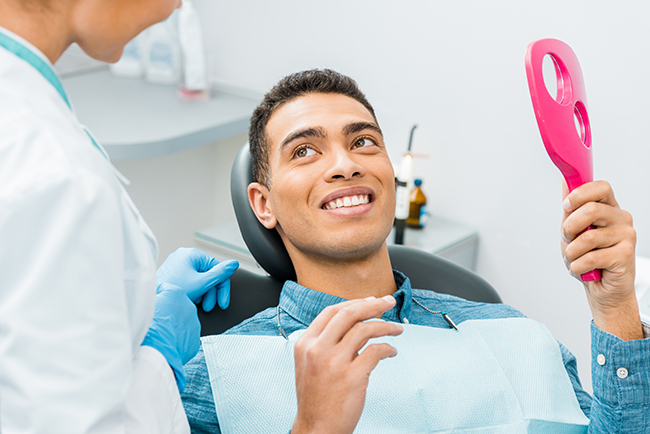
Gloved dentist examining a smiling man s teeth

Oral Exams

Gloved dentist examining a smiling man s teeth

At the office of Cruzin' Dental, we take a preventive-first approach to oral health because catching small problems early is the best way to protect your smile over the long term. Regular oral exams give our clinicians a chance to evaluate not only teeth and gums but also the way your bite functions and how oral health ties into your overall well‑being. Alongside professional cleanings and targeted screenings, these visits are an opportunity for clear guidance and practical steps that help you and your family stay healthy between appointments.

Our exams are designed to be efficient, thorough, and tailored to each patient’s needs. Whether you're visiting with an established history or coming in for the first time, we focus on gathering the information that matters most: medical and dental history, current concerns or symptoms, and any factors—like medications or habits—that could affect oral health. From there we use a combination of visual inspection, diagnostic imaging, and careful evaluation to create a clear picture of your situation and the best path forward.

Preparing for Your First Comprehensive Exam

Your initial comprehensive exam sets the baseline for all future care. We begin by reviewing your medical history and any medications, as these details can influence oral health and treatment choices. You’ll have a chance to describe any symptoms—sensitivity, discomfort, dry mouth, or changes in chewing—and our team will note lifestyle factors like diet or grinding that can affect tooth wear and gum health.

The clinical part of the exam includes a full-mouth visual inspection, assessment of gum health, and evaluation of bite (occlusion) and jaw joint (TMJ) function. We also perform an oral cancer screening as part of this thorough evaluation. When appropriate, we recommend diagnostic x-rays or other imaging to reveal conditions that can’t be seen with the naked eye, such as early decay between teeth, bone loss, or issues beneath existing restorations.

After collecting all findings, we discuss what they mean in straightforward terms and outline any recommended next steps—whether that’s preventive care, a conservative repair, or monitoring over time. Our goal with the first visit is to leave you informed, comfortable, and confident about your care plan.

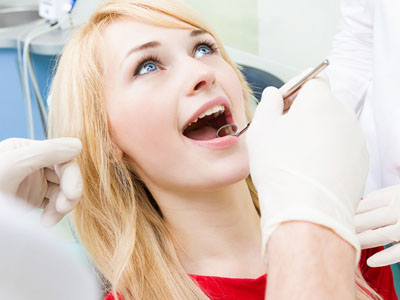
Dentist examining a patient s teeth with dental instruments

Oral Health and Whole-Body Connections

Oral health does not exist in isolation. In many cases, signs that first appear in the mouth can reflect conditions elsewhere in the body. During an oral exam we look for indicators—such as persistent inflammation, unusual lesions, or changes in the soft tissues—that may warrant further medical evaluation. Recognizing these signs early can help patients and their physicians investigate possible systemic causes.

Medical research increasingly shows links between oral disease and broader health concerns. Chronic gum inflammation, for example, has been associated with cardiovascular conditions and may complicate blood sugar control in people with diabetes. Conversely, systemic illnesses and certain medications can produce oral symptoms like dry mouth, ulcerations, or increased susceptibility to infection.

Because the mouth can mirror general health, routine exams play a preventive role beyond cavity detection. If we observe signs that suggest a possible systemic issue, we’ll communicate our findings clearly and recommend that you follow up with your primary care provider or a specialist. Coordinated care helps ensure that both oral and overall health needs are addressed.

Smiling patient checking her teeth in a hand mirror during an exam

Why Regular Cleanings and Exams Matter

Consistent professional care is one of the most effective tools for keeping dental disease at bay. Even diligent home hygiene can miss plaque and tartar that accumulate in tight spaces; a trained hygienist can remove these deposits and polish the teeth to reduce staining and bacterial buildup. These visits also allow us to monitor changes over time and address small issues before they become complex.

We typically recommend routine checkups and cleanings at intervals based on individual needs—often every six months for many patients, though some people benefit from more frequent visits. During these appointments we assess gum health, check for new decay, and provide personalized coaching on brushing, flossing, and other habits that support a lasting, healthy smile.

For children and adolescents, routine visits are doubly important: they protect developing teeth and help establish lifelong habits. We also watch growth patterns and tooth alignment so that orthodontic needs, if any, are identified early. Our team aims to make each visit productive and educational, so patients leave feeling empowered to maintain their oral health between appointments.

At Cruzin' Dental, we pair compassionate care with practical education—helping families create routines that keep smiles healthy for years to come.

Seeing Below the Surface: What Dental X-Rays Reveal

X‑rays are an essential part of a thorough oral exam because they reveal structures that a visual inspection cannot. Radiographs help detect early tooth decay between teeth, assess the level of bone supporting the teeth, and identify issues with the roots or surrounding bone. When used appropriately, they are a precise diagnostic tool that guides safer, more effective treatment decisions.

Modern dental imaging is faster and uses far less radiation than older film-based methods. Digital radiography, in particular, provides immediate images that can be magnified and enhanced for clearer evaluation. These images are stored in the patient’s electronic record so they can be compared over time and shared with other providers when collaboration is needed.

For complex cases, three-dimensional imaging such as cone-beam computed tomography (CBCT) offers additional detail. CBCT is especially valuable for surgical planning, implant placement, and assessment of anatomical structures that affect treatment. We recommend imaging selectively, choosing the type that best answers the clinical question while prioritizing patient safety.

Smiling man holding a hand mirror in a dental chair

How Different X-Ray Types Support Diagnosis and Care

Different imaging techniques serve distinct diagnostic purposes. Small intraoral films focus on individual teeth or sections of the mouth, while larger panoramic or CBCT scans provide an overview of the entire dental and jaw anatomy. Selecting the right image depends on the clinical need—whether we’re checking a single tooth, planning restorative work, or evaluating growth and development.

  • Periapical x-ray - Captures an entire tooth from crown to root, useful for evaluating root health and surrounding bone.

  • Bitewing x-ray - Provides detailed views of the crowns of the back teeth to detect decay between teeth and monitor bone levels.

  • Full Mouth Series - A collection of images that together show all teeth and adjacent bone for comprehensive assessment.

  • Panoramic Film (panorex) - Gives a broad, two-dimensional view of the jaws, teeth, and surrounding structures, useful for impacted teeth and general screening.

  • Cephalometric Film - A side-view image used primarily in orthodontic planning to evaluate facial and jaw relationships.

By combining the appropriate imaging with a thorough clinical exam, our team can detect issues earlier, plan treatments with greater precision, and monitor outcomes over time. Whether a simple intraoral film or an advanced 3D scan is called for, we explain the purpose of the image and how it will inform your care.

In summary, regular oral exams are more than a quick check—they’re a comprehensive strategy for preventing disease, protecting overall health, and preserving a confident smile. If you have questions about what to expect at your next exam or would like more information about the screening and imaging options we use, please contact us for more information.

Frequently Asked Questions

What happens during an oral exam?

+

During an oral exam a clinician performs a full-mouth visual inspection to evaluate your teeth, gums and soft tissues. They check gum pockets, note signs of inflammation or infection, and assess tooth integrity and existing restorations. The dentist also evaluates bite relationships and TMJ function to identify wear patterns or functional concerns.

Routine screenings include a careful oral cancer check and, when indicated, intraoral examinations with magnification to identify lesions or early disease. Diagnostic imaging such as bitewing or periapical x-rays may be used to reveal decay between teeth or hidden problems beneath restorations. At the end of the visit your clinician will review findings in plain language and recommend preventive measures, monitoring or conservative treatment as appropriate.

How should I prepare for my first comprehensive oral exam?

+

To prepare for your first comprehensive exam with the office of Cruzin' Dental, complete any new patient forms and bring a list of current medications and medical conditions. Be ready to describe symptoms such as sensitivity, pain, dry mouth or changes in chewing that can guide the exam. If you have recent dental records or x-rays from another practice, bring them or arrange to have them transferred to help establish a baseline.

During the clinical portion the team will take a thorough history, perform a full-mouth visual exam and assess gum health, bite and TMJ function. When appropriate the dentist will order targeted radiographs or digital images to look for issues that are not visible on inspection alone. By the end of the visit you should receive a clear summary of findings and a personalized plan for prevention, follow-up or conservative care.

How often should I schedule routine oral exams and cleanings?

+

For most patients routine exams and professional cleanings are recommended every six months to maintain oral health and catch problems early. That interval allows hygienists to remove plaque and tartar from hard-to-reach areas and gives clinicians a chance to monitor changes over time. However, the appropriate schedule is individualized based on medical history, gum health and risk factors for disease.

Patients with active gum disease, a history of frequent decay, diabetes, or a tendency to form heavy tartar may benefit from more frequent visits. Smokers and people taking medications that cause dry mouth also often require closer follow-up to reduce risk of decay and infection. Your dental team will recommend a recall interval that balances effective prevention with your personal needs and lifestyle.

What does an oral cancer screening involve?

+

An oral cancer screening is a routine element of a comprehensive exam that focuses on the lips, tongue, floor and roof of the mouth and the oropharynx. The clinician visually inspects soft tissues for color changes, lumps, persistent sores or other abnormalities and palpates the neck and jaw for enlarged lymph nodes. Early detection increases treatment options, so screenings are an important preventive step for all adult patients.

Risk factors such as tobacco use, heavy alcohol consumption and HPV exposure increase the need for careful surveillance and documented monitoring. If the team identifies a suspicious lesion they will document its appearance, may photograph or image it, and recommend prompt referral for biopsy or medical evaluation. The goal is to act quickly when abnormalities appear while minimizing unnecessary procedures for benign findings.

When will the dentist recommend dental x-rays or CBCT imaging?

+

Dental x-rays and digital imaging complement the clinical exam by revealing decay between teeth, root conditions and the level of bone support that cannot be seen directly. Common intraoral films such as bitewings and periapicals focus on specific teeth, while panoramic and CBCT scans provide broader views for planning and diagnosis. Each type of image serves a clear diagnostic purpose and is selected to answer the specific clinical question at hand.

Modern digital radiography delivers high-quality images with very low radiation exposure and allows immediate review and comparison over time. CBCT may be recommended for complex surgical planning, implant placement or to evaluate anatomical structures that affect treatment decisions. Your dentist will explain why a particular image is needed and how it will contribute to a safer, more precise treatment plan.

How can oral exams help identify connections to overall health?

+

Signs found during an oral exam can reflect systemic conditions, so dental findings are sometimes an early clue to broader health issues. Chronic gum inflammation has established associations with cardiovascular disease and can complicate blood sugar control in people with diabetes. Medications and systemic illnesses can also create oral symptoms such as dry mouth, ulcerations or increased susceptibility to infection.

Because the mouth can mirror whole-body health, clinicians document notable findings and advise patients when medical follow-up is warranted. At Cruzin' Dental the team communicates observations clearly and will recommend coordination with your primary care provider or a specialist when appropriate. Coordinated care between dental and medical providers helps ensure that both oral and systemic health concerns are addressed.

What should parents expect during a child's oral exam?

+

Children's oral exams focus on tooth development, eruption patterns and preventive care to protect primary and permanent teeth. The clinician checks for decay, assesses bite and jaw growth and evaluates habits such as thumb-sucking or prolonged pacifier use that can affect alignment. Fluoride recommendations, sealant options and individualized home care guidance are often part of the visit to reduce future risk.

Early visits also give parents practical coaching on brushing, flossing and nutrition to support long-term oral health habits. The frequency of appointments is based on developmental stage and risk, with younger children often seen more frequently if decay or growth concerns are present. Comfortable, age-appropriate explanations and a gentle approach help children build positive experiences and reduce anxiety about dental care.

What should I bring to my oral exam appointment?

+

Bring a list of current medications, any relevant medical conditions and details of recent surgeries or treatments that could affect dental care. If you have dental x-rays or records from a previous provider, bringing them or arranging a transfer saves time and helps establish an accurate baseline. Also bring your photo ID and a list of questions you want to discuss so the appointment can be efficient and productive.

Wear comfortable clothing and avoid eating heavily just before an exam if you expect to receive a cleaning or oral evaluation. If you routinely use a CPAP device, night guard or orthodontic appliance, bring that device so the team can assess fit and function. Clear communication about symptoms, habits and concerns will help the clinician tailor the exam to your individual needs.

How long does an oral exam usually take and what happens afterward?

+

An oral exam typically takes between thirty and sixty minutes depending on whether x-rays, a full prophylaxis or additional screenings are performed. Shorter visits often involve focused checks and cleanings, while initial comprehensive exams require more time for history, imaging and documentation. Scheduling blocks vary by practice, so the front office will advise you of the expected appointment length when you book.

After the exam the team reviews findings, explains any recommended preventive measures and provides clear instructions for at-home care. If treatment is needed the dentist will outline options, next steps and timing so you can make informed decisions about care. Follow-up intervals are set based on your risk profile to ensure timely monitoring and maintenance of oral health.

What signs or symptoms should prompt me to schedule an earlier oral exam?

+

Seek an earlier oral exam if you experience persistent tooth pain, swelling, spontaneous bleeding or a sore that does not heal within two weeks. Loose teeth, sudden changes in bite, difficulty swallowing or unexplained numbness around the mouth also warrant prompt evaluation. These symptoms can indicate infection, advancing decay or other conditions that benefit from early diagnosis.

If you notice suspicious lumps, white or red patches, or other persistent oral changes contact the dental office for assessment as soon as possible. Timely evaluation allows faster treatment when necessary and can prevent more extensive procedures down the line. The team can advise whether you should come in for an urgent visit or schedule a diagnostic appointment based on your symptoms.

Where Personalized Care Meets Comfort And Expertise.

We invite you to discover more about our dental office and the comprehensive care we provide to patients of all ages. Our friendly team is happy to answer your questions, provide information, and assist you in scheduling an appointment at your convenience. Don’t wait—give us a call today and let us help you experience the excellent dental care you deserve!

Office Hours

Tuesday
9:00 am - 5:00 pm
Wednesday
9:00 am - 5:00 pm*
Thursday
9:00 am - 5:00 pm
Friday
9:00 am - 5:00 pm

*Closed every Wednesday
from 12:00 pm - 2:00 pm for weekly team improvement meeting.