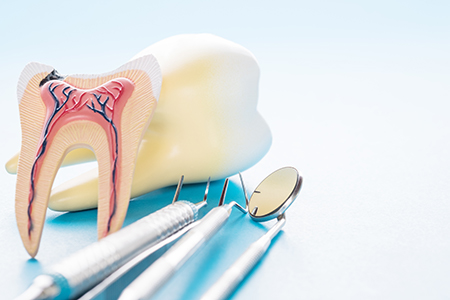
If a dentist tells you that a tooth needs a root canal, there’s no reason to panic. Modern root canal therapy is designed to stop pain, remove infection, and preserve the natural tooth — often in the same way a well-done filling restores function and comfort. With modern techniques and anesthesia, the experience is typically predictable and much more comfortable than many people expect.
At the office of Cruzin' Dental, we combine up-to-date technology with gentle care to help patients keep their smiles intact. Our team focuses on clear explanations, thoughtful pain control, and practical plans that protect oral health while minimizing disruption to your life.
Why saving a natural tooth still matters
Keeping your natural tooth whenever possible is usually the best outcome for long-term oral health. A treated tooth continues to support your bite, helps maintain the jawbone, and preserves the alignment of neighboring teeth. Replacing a lost tooth can be done, but preserving the original structure avoids more complex restorative work down the road.
Root canal therapy removes diseased tissue from the center of a tooth and seals it to prevent reinfection. When successful, this approach eliminates pain, halts the spread of infection, and allows the tooth to be restored with a crown or other protective restoration so it can function normally for years to come.
Most teeth that undergo root canal treatment remain functional for many years with proper care. The procedure is supported by decades of research and clinical experience, and it is a common solution for teeth that would otherwise be lost to decay or trauma.
How tooth injury and decay lead to root canal treatment
Inside every tooth is a soft core called the dental pulp, made up of nerves, blood vessels, and connective tissue. This pulp helps teeth develop and provides sensitivity that warns you when something is wrong. When bacteria reach the pulp through deep decay, cracks, or a traumatic blow, the tissue can become inflamed or die, and an infection can develop.
Symptoms that commonly point to pulpal damage include lingering sensitivity to heat or cold, pain when biting, a tooth that feels different from its neighbors, or visible darkening of the tooth. In some cases there may be swelling around the gum or a persistent bad taste, indicating that the infection is active.
Not every sore tooth needs a root canal, but when the pulp cannot heal on its own, treatment is the reliable way to remove infection and prevent it from spreading to the bone and adjacent teeth. Early diagnosis and treatment often mean a simpler procedure and a quicker recovery.
Although individual experiences vary, the following warning signs often indicate that a tooth should be evaluated for possible root canal therapy:
Ongoing or severe tooth pain
Pain that persists, intensifies, or wakes you at night is a common signal that deeper tissue is affected. Pain localized to a single tooth should prompt an expedited dental exam.
Prolonged temperature sensitivity
If hot or cold sensations linger long after the stimulus is removed, the nerve tissue may be inflamed or compromised and requires professional assessment.
Discomfort when biting or chewing
Soreness with pressure can indicate that the tooth’s internal tissues are injured or infected, particularly if the pain is concentrated in one tooth.
Tooth darkening or color change
A tooth that becomes darker than surrounding teeth can be a sign that internal tissues have been damaged or that bleeding occurred inside the tooth following an injury.
Visible cracks, chips, or fractures
Cracked enamel can provide a route for bacteria to reach the pulp. Even a small fracture may compromise internal tissues and ultimately require root canal therapy.
Gum swelling or recurring drainage
Swelling around a tooth or the appearance of a pimple-like bump on the gum can indicate an abscess, which needs prompt attention to control infection.
Loosening of the tooth
Infection and bone loss around a tooth can lead to mobility. Treating the source of infection often stabilizes the tooth as healing takes place.
Why sooner is almost always better
Time matters when it comes to infected or injured teeth. A small problem left alone can evolve into a larger infection that affects surrounding bone and tissue, increases discomfort, and may complicate future treatment. Early evaluation gives your dentist options that are less invasive and more predictable.
Some teeth with pulp problems never show dramatic symptoms and are identified during routine exams or on X-rays. Catching these silent issues early allows treatment to proceed before the infection worsens, reducing the likelihood of additional procedures.
Prompt care also reduces the chance that a tooth will need extraction. When a natural tooth can be saved with root canal therapy and an appropriate restoration, patients avoid the long-term consequences and additional restorative work that follow tooth loss.
What modern root canal treatment looks like
Today’s root canal procedure is a step-by-step process designed to remove diseased tissue while preserving as much healthy structure as possible. Treatment typically begins with careful diagnosis and imaging to understand the tooth’s anatomy and the extent of infection.
During the procedure, the dentist numbs the area with local anesthesia, creates a small access opening, and removes the infected pulp. The inside of the tooth is then cleaned, shaped, and disinfected before the canals are sealed with a biocompatible filling material. In many cases, this sequence eliminates pain and controls infection in a single appointment; more complex situations may be scheduled over two visits.
To reduce anxiety, options for sedation are available for patients who need extra comfort. Once the canals are sealed, the treated tooth will usually require a permanent restoration, such as a crown, to protect it from fracture and restore full chewing function.
Recovery, restoration, and long-term care
After treatment, patients commonly experience some tenderness or mild soreness for a few days as the surrounding tissues heal. Over-the-counter pain relievers and simple self-care measures normally manage discomfort effectively. Your dentist will provide specific aftercare instructions tailored to your situation.
A root canal-treated tooth must be protected with a final restoration to restore strength and prevent future damage. Because the tooth is no longer vital, it can be more brittle and benefits from a crown or similarly durable restoration placed in a timely manner.
Good oral hygiene, routine dental exams, and timely attention to any new symptoms are the best ways to help a treated tooth last for many years. With careful maintenance, root canal therapy frequently preserves teeth for decades and supports overall oral health.
At our practice, we prioritize patient education and follow-up so you understand each step of treatment and what to expect afterward. If you have questions or are experiencing symptoms that concern you, contact us for more information and to schedule an evaluation.
A root canal is a dental procedure that removes infected or inflamed pulp from the center of a tooth, cleans and shapes the canal system, and seals it to prevent reinfection. It is recommended when bacteria reach the pulp through deep decay, cracks, or trauma and the tissue cannot heal on its own. Timely root canal therapy stops infection, relieves pain, and preserves the natural tooth's role in chewing and jaw support.
Preserving the natural tooth whenever possible usually produces the best long-term outcome for oral health and function. Without treatment, infection can spread to surrounding bone and adjacent teeth and may lead to more complex procedures. At the office of Cruzin' Dental we emphasize diagnosis and conservative care to determine when treatment is the best option for each patient.
How does root canal treatment relieve pain and infection?
+
Root canal treatment eliminates the source of pain by removing the diseased pulp tissue and bacteria from inside the tooth. After the canals are cleaned and disinfected, they are filled and sealed to stop bacteria from repopulating the space and causing renewed infection. This process removes pressure and irritation inside the tooth, which is the usual cause of persistent or severe tooth pain.
By controlling the infection at its source, root canal therapy also reduces the risk of spread into the jawbone and adjacent teeth. When combined with appropriate restoration, treated teeth can return to normal function without ongoing symptoms. Follow-up care and good oral hygiene help ensure the infection does not recur.
What symptoms should prompt me to see a dentist about a possible root canal?
+
Common signs that a tooth should be evaluated for root canal therapy include persistent or severe toothache, prolonged sensitivity to hot or cold, and pain when biting or chewing. Other indications are a tooth that looks darker than surrounding teeth, swelling or a pimple-like bump on the gum, and any loosening of the affected tooth. Not all pulp problems cause dramatic symptoms, so routine exams and X-rays can identify issues before they become painful.
If you experience any of these warning signs, scheduling an expedited dental exam is important for diagnosis and to preserve treatment options. Early assessment often leads to simpler, more predictable procedures and a quicker recovery. Ignoring symptoms can allow infection to worsen and may limit the ability to save the natural tooth.
How is a modern root canal procedure performed?
+
Modern root canal therapy begins with a detailed exam and imaging to understand the tooth's anatomy and the extent of infection. The area is numbed with local anesthesia, a small access opening is made, and specialized instruments remove the diseased pulp and shape the canals for thorough cleaning and disinfection. Once the canals are cleaned, they are filled with a biocompatible material and sealed to prevent reinfection.
Many straightforward cases are completed in a single appointment, while teeth with complex anatomy or active infection may require two visits. Sedation options are available for patients who need extra comfort or anxiety control during treatment. Afterward, the tooth is typically restored with a crown or other protective restoration to return it to full function.
Is root canal treatment painful?
+
With modern anesthesia and techniques, root canal treatment is generally no more uncomfortable than having a well-done filling, and most patients report relief from the severe pain that led them to seek care. The dentist takes steps to control pain during the procedure and can offer sedation options for additional relaxation when needed. Discomfort after the appointment is usually mild and short-lived, and it can be managed with over-the-counter medications and proper home care.
If you have a high level of dental anxiety or have had difficult experiences in the past, discuss these concerns with your dental team so they can tailor comfort measures to your needs. Persistent or worsening pain after treatment is uncommon but should be reported promptly for evaluation. Good communication and follow-up care help ensure a comfortable recovery and a successful outcome.
What should I expect during recovery after a root canal?
+
After a root canal most patients experience mild tenderness for a few days as surrounding tissues heal, and normal activities can usually resume quickly. Over-the-counter pain relievers and gentle care, such as avoiding hard or chewy foods on the treated side, typically control any soreness. Your dentist will provide specific aftercare instructions, including when to schedule the permanent restoration that protects the treated tooth.
Maintaining good oral hygiene and attending recommended follow-up visits are important to support healing and detect any complications early. If symptoms such as increasing pain, swelling, or drainage develop after treatment, contact your dentist promptly for re-evaluation. Timely placement of a final crown or restoration helps prevent fracture and prolongs the life of the treated tooth.
Will a tooth that has had a root canal need a crown?
+
In many cases a tooth treated with root canal therapy requires a permanent restoration such as a crown to restore strength and protect it from fracture. Because the tooth is no longer vital, it can become more brittle over time and benefit from coverage that distributes chewing forces and seals the tooth against leakage. The type of restoration recommended depends on the tooth's location, remaining tooth structure, and the extent of prior damage.
Your dentist will discuss the restoration plan during treatment planning and explain the timing for placing a crown or other protective restoration. Prompt restoration after root canal therapy reduces the risk of complications and helps ensure the long-term success of the procedure. Regular dental checkups then allow monitoring of both the restoration and the underlying root canal work.
How long do root canal treated teeth typically last?
+
Root canal treated teeth can last for many years and often for the rest of a patient's life when properly restored and maintained. Longevity depends on factors such as the tooth's condition before treatment, the quality of the restoration, bite forces, and ongoing oral hygiene. Routine dental exams and professional cleanings help detect and address issues that could compromise the treated tooth.
Protecting the tooth with an appropriate crown and avoiding habits that stress the tooth, like chewing hard objects, improve its chances of long-term survival. If problems arise, early evaluation increases the likelihood that retreatment or repair will be successful. Regular communication with your dental team supports ongoing care and timely intervention when needed.
When might extraction be a better option than root canal therapy?
+
Extraction may be considered when a tooth is too severely damaged, when there is insufficient remaining structure to support a reliable restoration, or when advanced bone loss or certain medical conditions limit the success of endodontic treatment. In some cases retreatment or an endodontic surgical procedure may still save the tooth, but extraction can become the more practical or predictable choice. Your dentist will weigh the pros and cons of each approach based on clinical findings and your overall oral health goals.
When extraction is recommended, the dental team will discuss replacement options to restore function and preserve jawbone health, such as implant-supported restorations or bridges. The decision is individualized and considers long-term outcomes, functional needs, and the patient's preferences. A careful diagnostic process helps ensure the chosen plan provides the best possible result for oral health and quality of life.
How does the dental office prepare for safety and patient comfort during root canal care?
+
Dental offices follow strict sterilization protocols, use modern instruments and imaging, and apply evidence-based techniques to ensure safe and effective root canal treatment. Pain control with local anesthesia and optional sedation methods are available to minimize anxiety and discomfort during the procedure. The treatment setting also emphasizes clear communication so patients understand each step and what to expect before, during, and after care.
At Cruzin' Dental the team prioritizes patient education, careful follow-up, and coordinated restorative planning to support predictable outcomes and long-term tooth health. If you have questions about safety measures, sedation options, or the sequence of treatment and restoration, your dental team will provide personalized information and guidance. Open dialogue helps tailor care to individual needs and fosters a comfortable treatment experience.
Where Personalized Care Meets Comfort And Expertise.
We invite you to discover more about our dental office and the comprehensive care we provide to patients of all ages. Our friendly team is happy to answer your questions, provide information, and assist you in scheduling an appointment at your convenience. Don’t wait—give us a call today and let us help you experience the excellent dental care you deserve!