Sailor, the Sea-faring Emotional Support Animal (ESA), is Cruzin’ Dental’s Certified Therapy Dog.
He is a pure-bred Phantom Standard Poodle whose parents were both also ESAs. He was literally born
and raised to make your experience at Cruzin’ Dental more relaxing. Request him by name when scheduling
your appointment if you’d like him by your side at your next dental visit.
Dental anxiety affects millions of people across the United States. If the idea of a dental appointment causes tension or avoidance, the office of Cruzin' Dental can help. Our approach combines clinical expertise with patient-centered comfort measures so nervous patients can get the care they need without unnecessary stress.
Avoiding the dentist because of fear can let small problems become big ones—affecting oral health and overall wellbeing. Sedation dentistry gives patients a path to consistent, effective care by reducing anxiety and creating an environment where treatment is calm, controlled, and respectful.
We believe every patient deserves a positive experience. With clear explanations, individualized planning, and gentle sedation options when appropriate, our team helps people stay comfortable through a wide range of dental procedures while remaining safe and responsive throughout their visit.
A gentler way to get dental work done
Sedation dentistry is not one-size-fits-all. It’s a spectrum of approaches designed to lower anxiety, block unpleasant sensations, and help patients sit comfortably for the time needed to complete care. For some people a mild inhaled agent is enough; for others, a deeper but carefully monitored option is more appropriate.
Choosing sedation isn’t about hiding the procedure—it's about creating the conditions for a smooth, efficient appointment. Many patients report that time seems to pass faster and that they feel little or no recollection of the specifics of treatment, while remaining easy to direct if needed.
Good sedation starts with a thoughtful conversation. We review medical history, current medications, and any previous experiences with anesthesia, then tailor the plan so it supports both comfort and safety throughout your visit.
When sedation is especially helpful
People choose sedation for many reasons beyond fear alone. Some patients have an active gag reflex that interferes with treatment, others need lengthy or complex procedures completed in fewer visits, and some have physical or cognitive conditions that make sitting comfortably difficult.
For families with young children, individuals with special needs, or anyone who experiences high levels of dental stress, sedation can make routine and restorative dentistry accessible. The goal is to allow treatment to proceed calmly so clinicians can provide precise, efficient care.
Sedation can also benefit patients who have had traumatic past experiences, strong aversions to dental instruments, or sensitivity that makes even minor procedures feel overwhelming. By minimizing worry and discomfort, patients are more likely to keep up with preventive care and avoid escalation of problems.
Sedation methods and what each one does
There are a few commonly used methods of sedation in the dental office, each with different effects and monitoring requirements. We select the appropriate option based on the patient’s anxiety level, medical background, and the scope of treatment.
Understanding conscious options versus deeper sedation
Most dental sedation performed in the office falls under the umbrella of conscious sedation—meaning patients are relaxed and may have limited recollection, but breathing and protective reflexes remain intact. General anesthesia, which produces a complete loss of consciousness, is reserved for hospital settings and specific medical indications.
How we tailor conscious sedation for safety and comfort
Conscious sedation can be adjusted in intensity and duration, allowing the dental team to maintain steady control over the patient’s comfort level. Because each person responds differently, treatment plans include pre-appointment screening and intraoperative monitoring to keep safety front and center.
Nitrous oxide (inhaled relaxation)
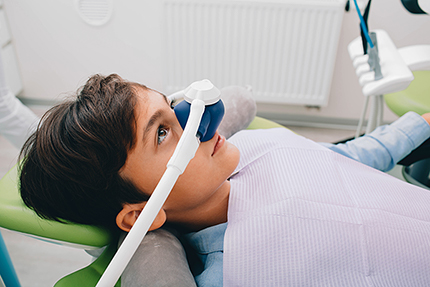
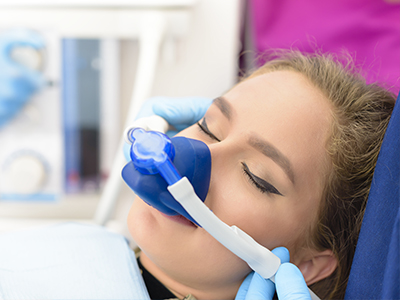
Nitrous oxide—often called "laughing gas"—is inhaled through a small mask and produces a mild, quickly reversible state of calm. It is well suited for patients with mild to moderate anxiety and for those who need a short-term, easily controlled relaxation aid during routine procedures.
The gas is administered with oxygen and stopped when the procedure is complete; its effects wear off rapidly, allowing most patients to leave the office alert and ready to resume normal activities shortly after treatment.
Oral sedation (prescription medication)
Oral sedation uses a prescribed medication taken before the appointment to reduce stress and produce a deeper sense of calm. It is useful for patients who prefer to be more sedated than nitrous oxide can provide but who do not require intravenous management.
Because oral agents can cause drowsiness, patients will need an escort to and from the appointment and may feel groggy for a period after the visit. Pre-visit guidance ensures this method is applied safely and comfortably.
IV sedation (controlled intravenous sedation)
IV sedation delivers medication directly into the bloodstream for rapid onset and precise control of sedation depth. It is indicated for more extensive procedures or for patients who need a higher level of anxiolysis while still maintaining the ability to respond to verbal cues.
This option requires specialized monitoring and an empty stomach before the appointment; an escort is required for transportation home. Because the dose can be adjusted during treatment, IV sedation offers flexibility and predictability for longer appointments.
What to expect before, during, and after sedation
Preparation begins with a thorough review of your health history and current medications so the team can identify the safest option. We provide clear pre-appointment instructions—such as eating and drinking guidelines for certain methods—so you arrive ready and well prepared.
During the procedure, your comfort and vital signs are closely monitored. Our clinicians explain each step in plain language so you know what to expect; we also check in throughout the visit to ensure the sedation level remains appropriate and that recovery will be smooth.
After treatment, recovery time varies by method. Nitrous oxide wears off almost immediately, oral sedation may require several hours of rest, and IV sedation may need a longer recovery and supervised discharge. Our team will review post-care instructions and make sure you have a safe plan for getting home and resting afterward.
Safety practices and the training behind our care
Safety is the foundation of any sedation program. That means careful patient screening, up-to-date monitoring equipment, and staff trained in emergency protocols and airway management. Before recommending sedation, we evaluate medical history, current health status, and any anesthesia-related concerns.
Equipment and monitoring vary by the sedation method, but common elements include continuous observation of breathing and circulation, pulse oximetry, and ready access to emergency medications and oxygen. Staff members administering or supervising sedation follow established clinical guidelines and receive ongoing training.
Open communication is also essential: we discuss benefits, potential side effects, and what to expect at every step so patients feel informed and empowered. When sedation is chosen, our approach balances comfort with vigilance to make each visit as safe and stress-free as possible.
In summary, sedation dentistry provides practical, clinically sound options for patients who need help managing fear, sensitivity, or difficulty tolerating dental care. Whether you are considering nitrous oxide, oral medication, or IV sedation, our practice takes a personalized, safety-first approach to keep your experience calm and effective. Contact us to learn more and discuss whether sedation is the right choice for your next appointment.
Sedation dentistry uses medications to reduce anxiety and enhance comfort during dental care. These medications work by calming the nervous system and, depending on the agent, may produce mild relaxation, deeper drowsiness, or a state where you have limited or no memory of the procedure. Sedation is combined with standard local anesthesia so patients do not feel pain while remaining safe and monitored.
At the office of Cruzin' Dental our team selects an appropriate level of sedation based on medical history, procedure length, and patient preference. Monitoring equipment and pre-visit instructions help maintain safety and steady recovery. This patient-centered approach makes it easier to receive necessary dental treatment without avoidant behaviors.
Who is a good candidate for sedation dentistry?
+
Good candidates include patients with significant dental anxiety, a strong gag reflex, or difficulty sitting through treatment, as well as those scheduled for lengthy or complex procedures. It is also commonly recommended for individuals with special needs, certain medical conditions that make dental visits stressful, or those with past traumatic dental experiences. A thorough health review will identify conditions that affect candidacy and help determine the safest option.
Not every patient needs sedation, and some medical issues or medications may require consultation with a physician before moving forward. Children may be candidates for specific sedation approaches, but the team will discuss age-appropriate options and supervision requirements. The goal is to match patient safety with effective comfort for each appointment.
What types of sedation are offered and how do they differ?
+
Common sedation methods include nitrous oxide (inhaled relaxation), prescription oral sedatives, and intravenous (IV) sedation, each with distinct onset and depth of effect. Nitrous oxide produces mild, short-lived relaxation and wears off quickly after the mask is removed. Oral sedation involves medication taken before the visit to produce a deeper sense of calm and may cause lingering drowsiness.
IV sedation delivers medication directly into the bloodstream for rapid, adjustable control and is useful for longer or more invasive procedures while preserving responsiveness to verbal cues. General anesthesia, which induces complete unconsciousness, is typically performed in a hospital setting and is not routine for office-based dental sedation. Your clinician will explain the monitoring and recovery expectations for each option during the evaluation.
Is sedation dentistry safe?
+
Sedation dentistry is safe when provided by a trained team that follows established clinical guidelines, conducts careful medical screening, and uses appropriate monitoring equipment. Routine monitoring typically includes observation of breathing, heart rate, and oxygen levels to detect changes promptly. Staff receive training in airway management, emergency protocols, and sedation-specific care to maintain a safe environment.
Prioritizing open communication about your medications, medical history, and previous anesthesia experiences helps reduce risk and allows the team to personalize the plan. If deeper sedation is recommended, additional safeguards such as fasting instructions and an escort home are required. These precautions, combined with post-procedure monitoring, support a smooth recovery and minimize complications.
What should I expect before, during, and after a sedated dental appointment?
+
Before your appointment the team will review your health history, current medications, and any allergies, and provide clear instructions such as eating or drinking guidelines when relevant. You may be asked to arrange transportation home for oral or IV sedation and to follow fasting instructions if required. This preparation helps the practice deliver care safely and predictably.
During treatment your vital signs are monitored and the clinician will check in to ensure the sedation level remains appropriate while local anesthesia controls pain. Many patients report a reduced sense of time and lowered awareness of the procedure, which allows clinicians to work efficiently. Afterward, recovery varies by method: nitrous oxide wears off quickly, oral agents may leave grogginess, and IV sedation may require longer observation before discharge.
Will I be unconscious during sedation?
+
Most dental sedation delivered in the office is conscious sedation, meaning patients remain breathing on their own and can respond to verbal cues while feeling relaxed or drowsy. Conscious sedation ranges from mild relaxation with nitrous oxide to deeper, yet arousable, states with IV or oral medications. This approach balances patient comfort with the ability to monitor neurologic and respiratory function.
General anesthesia produces complete loss of consciousness and is generally reserved for hospital settings or when medically indicated, not for routine office procedures. If general anesthesia is a consideration, the team will explain why it may be necessary and coordinate care with appropriate medical providers. For most patients, the ability to remain responsive during conscious sedation enhances safety while providing significant relief from anxiety.
How can sedation help people with special medical or behavioral needs?
+
Sedation can help patients with an exaggerated gag reflex, severe sensitivity, or behavioral challenges by reducing protective reflexes and anxiety that interfere with treatment. For individuals with cognitive or physical disabilities, tailored sedation plans allow clinicians to complete needed care with greater comfort and fewer visits. Reducing stress during dental work also helps caregivers and families manage appointments more effectively.
Patients with a history of trauma or phobia may be more likely to accept and complete recommended dental care when offered appropriate sedation, which supports long-term oral health. The team will discuss alternatives and set realistic expectations so patients feel informed and supported. Sedation is one tool among many used to create a calm, respectful care environment.
What side effects or risks should I be aware of with sedation?
+
Common short-term effects include drowsiness, lightheadedness, and temporary memory lapses, which usually resolve as the medication wears off. More serious complications are uncommon but can include breathing or cardiovascular changes, which is why continuous monitoring and trained staff are essential. Your clinician will review potential side effects specific to the chosen agent during the consultation.
To reduce risks, disclose all medications, supplements, and medical conditions beforehand, and follow pre-visit instructions exactly. If you experience unexpected symptoms after your appointment, contact the office or seek medical care promptly so the issue can be evaluated. Careful screening, adherence to guidelines, and clear post-care instructions help keep adverse events rare and manageable.
How do clinicians determine the right sedation option for a particular procedure?
+
Choosing the appropriate sedation method depends on factors such as the complexity and duration of the procedure, the patient’s anxiety level, medical history, and past responses to anesthesia. The dentist and clinical team will perform a focused assessment and discuss benefits and limitations of each option. This shared decision-making ensures the plan aligns with clinical needs and patient preferences.
For lengthy or multi-stage treatments the team may recommend a deeper or more controllable option to reduce appointments while maintaining safety. For brief restorative or preventive procedures a lighter method may be sufficient and allow rapid recovery. Documentation of the plan and clear pre- and post-procedure instructions support predictable, safe outcomes.
How do I arrange a consultation to discuss sedation dentistry?
+
To discuss whether sedation is right for you, call Cruzin' Dental to request a consultation with the clinical team where your medical history and treatment needs can be reviewed. During the consultation the team will explain available sedation options, answer questions, and outline any pre-appointment instructions you should follow. Our Port Charlotte office phone number for new patients is (941) 277-5202 and existing patients may call (941) 866-8011 for follow-up inquiries.
If you prefer, mention any past anesthesia experiences, current medications, and concerns about dental visits when scheduling so staff can prepare for a focused conversation. Clear communication before the visit helps the team create a safe, individualized sedation plan and improves the overall care experience. You can expect straightforward guidance and support whether sedation is recommended or not.
Where Personalized Care Meets Comfort And Expertise.
We invite you to discover more about our dental office and the comprehensive care we provide to patients of all ages. Our friendly team is happy to answer your questions, provide information, and assist you in scheduling an appointment at your convenience. Don’t wait—give us a call today and let us help you experience the excellent dental care you deserve!